
Igniting Recovery Through Food Wisdom at Delray Beach IOP
Why nutrition is the missing link in many intensive outpatient programs in Delray Beach
Modern recovery science shows that balanced eating directly calms cravings, yet most intensive outpatient programs overlook this essential avenue. At our Delray Beach IOP, every client receives a bespoke nutrition roadmap that dovetails with counseling and peer support. This focused integration elevates typical rehab services into truly transformative wellness journeys. Clients learn how nutrient-dense meals power brain chemistry, stabilize mood, and help them feel hopeful again. Explore our evidence-backed approach to Delray Beach intensive outpatient nutrition services and see why food wisdom matters.
Many programs promise holistic care but deliver generic cafeteria fare that keeps blood sugar on a roller coaster. We change that narrative by prioritizing whole-food meals designed to fuel steady dopamine production, which reduces relapse risk. Our registered dietitians collaborate with therapists so meal planning aligns with trauma work and stress-management modules. Group sessions decode labels, debunk fad diets, and demonstrate practical swaps clients can make even on tight budgets. This synergy helps participants internalize that nourishing the body is synonymous with nurturing long-term sobriety.
From detox depletion to nutrient repletion mapping the journey
Detox often strips the body of critical vitamins, electrolytes, and amino acids, leaving clients exhausted before their therapeutic work begins. Our practitioners run micronutrient panels to pinpoint deficiencies common in alcohol recovery, such as magnesium, zinc, and B-vitamins. We then craft personalized supplement protocols that fill gaps without overwhelming the gut. Protein-focused rebuilding diets supply the raw materials required for neurotransmitter repair and immune resilience. Clients quickly notice sharper cognition, deeper sleep, and steadier energy-markers that their bodies are finally entering restoration mode.
Gut healing is the next milestone, because a healthy microbiome produces many of the neurotransmitters essential for emotional balance. Anti-inflammatory meals rich in omega-3s, fermented vegetables, and fiber gradually restore microbial diversity. Culinary therapy classes teach clients to create these dishes, turning recovery meal planning into a hands-on confidence booster. Hydration strategies paired with mineral-rich broths further soothe the digestive tract, setting the stage for better nutrient absorption. Each step is tracked, measured, and celebrated to reinforce progress and sustain motivation.
Setting intentions for holistic healing at Florida rehab centers
Intentional living starts at the breakfast table, where clients practice mindfulness by savoring color, texture, and gratitude for nourishment. We pair these exercises with breathwork to anchor the nervous system before group therapy begins. Seasonal produce sourced from local markets connects clients with the rhythms of nature and the surrounding Delray community. This farm-to-recovery model embodies the fresh start many participants crave as they rebuild lives outside substance use. It also promotes environmental stewardship, a value that deepens self-worth and collective responsibility.
Our multidisciplinary team includes therapists, dietitians, fitness coaches, and psychiatric providers who meet weekly to coordinate care. This comprehensive strategy aligns nutrition goals with medication management, sleep hygiene, and emotional regulation plans. Clients set SMART goals-such as cooking three balanced meals weekly-that are revisited during check-ins for accountability. Graduates leave equipped with sober cooking skills, personalized recipes, and newfound trust in their bodies’ healing potential. As a result, relapse prevention becomes less about restriction and more about empowered choice.
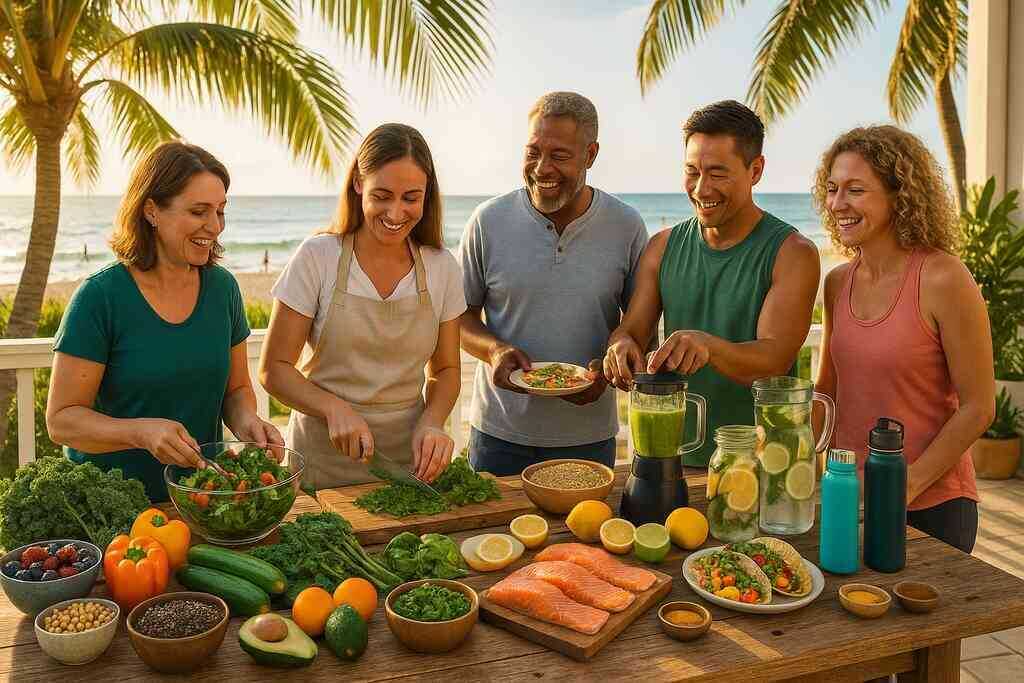
The Nutrition Blueprint Powering Intensive Outpatient Success
Personalizing the plate micronutrient testing and individualized supplement protocols
Every new client receives laboratory-grade micronutrient testing at treatment centers to reveal hidden nutrient deficiencies. This data powers personalized nutrition in Delray Beach IOP plans that respect ancestry, lifestyle, and faith traditions. Dietitians then design individualized supplement protocols in rehab services that restore cellular balance without mega-dosing. Vitamin replenishment after detox improves neurotransmitter function, lifting mood within days. These early biochemical wins build trust and motivate deeper engagement in counseling.
Results translate into practical plate guidance, not just pill schedules. Clients learn simple breakfast swaps that incorporate B vitamins into oats and smoothies. Evening meals feature magnesium-rich leafy greens that relax muscles for restorative sleep. During review sessions, dietitians adjust dosage based on symptom logs, embodying integrative wellness and nutrition counseling rather than a one-size approach. Explore more about our about our holistic IOP in Delray Beach philosophy to see how science and compassion intertwine.
Gut-brain axis revival: anti-inflammatory and gut-healing diet strategies
A disrupted microbiome often fuels anxiety and cravings, so gut-healing diet protocols in IOP in Delray Beach take center stage early. Clients crowd plates with anti-inflammatory eating for mental health staples like turmeric quinoa bowls and miso soups. These dishes provide short-chain fatty acids that calm intestinal lining and lessen systemic stress. Fermented vegetables supply diverse probiotics, while prebiotic fibers in asparagus feed friendly bacteria.
Holistic gut-brain axis support in Delray Beach recovery also embraces lifestyle cues. Breathwork before lunch activates the vagus nerve, improving digestion. Culinary therapy sessions near the beach let participants harvest herbs, grounding them in nature’s rhythms. Over time, stool regularity, skin clarity, and mood stability confirm that internal ecosystems are thriving again.
Balancing blood sugar craving-reducing snacks and alcohol recovery meal planning
Blood sugar balancing foods for alcohol recovery keep dopamine steady and reduce relapse triggers. Dietitians teach clients to pair apples with almond butter, not candy, for afternoon energy. Craving-reducing snacks for sobriety include roasted chickpeas dusted with cinnamon, a spice known to modulate glucose curves. Evening plates feature slow-release starches like sweet potatoes blended into chili.
Addiction recovery meal planning sessions demystify macros using grocery store examples. Participants practice sugar detox guidance in outpatient care by reading hidden names for fructose on labels. This empowers confident decision-making once they leave intensive outpatient programs in Delray Beach. Weekly metrics show fewer mood swings and improved therapy focus when glycemic control is achieved.
Omega-3 and protein-focused rebuilding diets for mood stability and muscle repair
Alcohol and stimulant misuse strip lean tissue, so protein-focused rebuilding diets become non-negotiable. Wild salmon tacos deliver complete protein and omega-3 rich meal prep classes highlight sustainable sourcing. Plant-based clients layer hemp seeds into pesto for similar essential fats. These nutrients reduce neuro-inflammation, promoting mood stability across recovery programs.
Muscle repair supports better posture and resilience during fitness modules. Post-workout fueling in recovery programs blends whey or pea protein with tart cherry juice to curb soreness. Clients log perceived exertion and note faster recovery, validating the synergy between exercise science and rehabilitative nutrition science.
Seasonal produce from Delray Beach farmers’ markets, culinary therapy meets Mediterranean diet principles
Seasonal produce from Delray Beach farmers markets infuses color, flavor, and local pride into menus. Culinary teams craft tabbouleh with fresh parsley, tomatoes, and extra-virgin olive oil, embracing Mediterranean diet for long-term recovery ideals. Clients discover that nutrient-dense menus at intensive outpatient programs can taste indulgent yet support healing.
Farm visits double as mindful outings, reinforcing life in Delray Beach for healthy recovery. Picking bright citrus under sunny palms turns homework into an adventure. Mediterranean herbs like oregano appear in sauces, delivering immune-supportive recipes for recovery with every bite.
Hydration and electrolyte tactics for active clients in post-workout IOP sessions
Intense group workouts under Florida sun demand strategic hydration strategies at Florida rehab centers. Dietitians set individual water targets based on sweat testing and body weight. Coconut water blends with sea salt create natural electrolyte replacements free from artificial dyes. These drinks prevent dizziness and maintain cognitive sharpness for therapy afterwards.
Clients track intake on mobile apps that sync with counselors. Data highlights correlations between hydration lapses and emotional volatility, reinforcing behavior change. This systems view exemplifies the intensive outpatient model in healthcare, where quick feedback loops drive rapid growth.
Mindful and intuitive eating workshops integrating mental health support
Mindful eating workshops at mental health facilities begin with a raisin meditation that activates all five senses. Participants slow down, honoring hunger and fullness signals often blunted by substance use. Intuitive eating in rehabilitation programs dismantles shame around food, replacing it with curiosity and self-compassion.
Therapists weave cognitive techniques into meals, framing plates as metaphors for balanced boundaries. Integrative mental health support in Delray IOP ensures these lessons echo in one-on-one sessions. Together, dietitians and clinicians show that nourishment is not merely fuel; it is a daily act of respectful self-talk.
Plant-forward and balanced vegan paths provide evidence-based nutrition for co-occurring disorders
Balanced vegan options for wellness centers respect ethical preferences while preventing nutrient gaps. Lentil shepherd’s pie supplies iron and lysine, critical for neurotransmitter production. Evidence-based nutrition for co-occurring disorders addresses anxiety by adding selenium-rich Brazil nuts and anti-anxiety foods integrated into therapy like chamomile tea.
Dietitian-led education at intensive outpatient programs near you debunks myths that veganism equals deprivation. Clients master tofu marinades and flaxseed “eggs,” gaining sober cooking skills classes in rehab in Delray Beach. Plant-forward diets, whether partial or full, demonstrate that flexibility and sobriety can thrive on the same vibrant plate.
Sustaining Nourishment Beyond the Beach
Meal delivery partnerships and sober cooking skills for life outside rehab in Delray Beach
Meal planning feels simple inside intensive outpatient programs, yet real life often reintroduces chaos. To bridge that gap, our Delray Beach IOP partners with local meal-delivery companies that spotlight nutrient-dense menus at intensive outpatient programs. Clients receive rotating boxes packed with blood sugar balancing foods for alcohol recovery, such as quinoa bowls and citrus-marinated seafood. Clear macros on every label reinforce lessons learned during dietitian-led classes. Consistent exposure to balanced plates, even on hectic days, helps new habits stick.
Beyond deliveries, sober cooking skills classes in rehab in Delray Beach empower graduates to take ownership of their kitchens. Hands-on workshops break down knife skills, flavor layering, and budget-friendly bulk cooking. Participants practice swapping high-sugar sauces for gut-healing herb purees that still taste indulgent. Culinary mentors also guide clients through farmers-market tours, turning seasonal produce into inspiration rather than confusion. This dual approach ensures food confidence from pantry shelf to dining table.
Immune supportive and anti-anxiety recipe repertoires for long-term wellness
Long-term recovery demands more than sobriety; it requires vibrant immunity and calm nerves. Dietitians curate immune-supportive recipes for recovery that star zinc-rich pumpkin seeds, garlic, and bright leafy greens. These dishes work alongside individualized supplement protocols in rehab services, closing micronutrient gaps uncovered during testing. Clients track fewer sick days and report steadier energy, validating the functional power of food.
Equally crucial, anti-anxiety foods integrated into therapy sessions soothe the nervous system. Warm chamomile-infused oats or turmeric-spiked golden milk appear on weekly menus. Breathwork exercises performed before eating help anchor parasympathetic tone, improving digestion. Over time, clients associate mindful plates with emotional regulation, strengthening relapse resilience. Recipe cards travel home in graduation binders, ready for stressful moments.
Tracking outcomes data-driven adjustments within recovery programs
Nutrition guidance only matters if outcomes improve. Therefore, the program tracks biometric data such as hemoglobin A1c, sleep quality, and mood scores. Weekly reviews compare progress against personalized nutrition in Delray Beach IOP goals, allowing rapid refinements. When plate photos reveal skipped vegetables, coaches introduce craving-reducing snacks for sobriety that fit the client’s palate. If hydration logs dip, electrolytes and fruity infusions return to the plan.
This feedback loop mirrors the intensive outpatient model in healthcare, prioritizing measurable gains over generic advice. Data also informs group curriculum updates, ensuring teaching evolves alongside emerging rehabilitative nutrition science. As a result, each participant experiences care that feels both personal and evidence-led, reinforcing trust in the process.
Embodying food freedom, building resilience against relapse through empowered choices
True recovery celebrates freedom rather than restriction. Graduates learn intuitive eating in rehabilitation programs, honoring hunger cues without moralizing any ingredient. They practice portion flexibility, knowing protein-focused rebuilding diets can coexist with celebratory desserts. This balanced mindset dismantles the binge-deprivation cycle that often prompts relapse.
For anyone ready to deepen this journey, our admissions team outlines how to enroll in nutrition-forward IOP in Florida. The conversation explores preferred cuisines, allergy concerns, and cultural traditions, ensuring alignment from day one. By merging clinical insight with respectful curiosity, Delray Beach Intensive Outpatient Programs foster culinary self-trust. Empowered choice spills into other life domains, strengthening decision-making muscles vital for sustained sobriety. Ultimately, clients leave knowing that food freedom is both a right and a recovery tool.
 Frequently Asked Questions
Question: What makes personalized nutrition in Delray Beach IOP different from the generic meal plans offered at other rehabilitation centers?
Answer: At Delray Beach Intensive Outpatient Programs, every client completes laboratory-grade micronutrient testing at treatment centers on day one. The results power personalized nutrition in Delray Beach IOP roadmaps that respect culture, faith, food allergies, and lifestyle. Registered dietitians then weave individualized supplement protocols in rehab services with whole-food plates built from seasonal produce from Delray Beach farmers’ markets. This data-driven process means no one receives a one-size-fits-all menu meal directly targets the unique deficits that alcohol or drug misuse left behind, accelerating brain-chemistry repair and boosting trust in the recovery journey.
Question: How does holistic nutrition therapy for substance abuse help reduce cravings and stabilize mood during intensive outpatient programs in Delray Beach?
Answer: Holistic nutrition therapy for substance abuse addresses the gut-brain axis, blood sugar regulation, and neurotransmitter production all at once. We start with gut-healing diet protocols in IOP in Delray Beach-think fermented veggies, omega-3 rich meal prep classes, and anti-inflammatory eating for mental health staples like turmeric quinoa bowls. Next, blood sugar balancing foods for alcohol recovery, such as slow-release starches and protein-focused rebuilding diets, keep dopamine on an even keel, dramatically cutting cravings. Finally, evidence-based nutrients such as magnesium, zinc, and B vitamins are replenished to support serotonin and GABA synthesis, lifting mood and sharpening focus during therapy sessions.
Question: What role do craving-reducing snacks for sobriety and sugar detox guidance in outpatient care play in day-to-day addiction recovery meal planning?
Answer: Early sobriety often magnifies sugar cravings because the brain seeks quick dopamine hits. Our culinary therapy sessions near the beach teach clients to replace candy or soda with craving-reducing snacks for sobriety, roasted chickpeas, apple-and-almond-butter pairings, or cinnamon-dusted popcorn. Simultaneously, dietitians provide sugar detox guidance in outpatient care, decoding sneaky fructose names on labels and practicing label reading in real grocery aisles. These practical tools help clients maintain steady energy, avoid mood crashes, and feel confident navigating real-world food environments.
Question: In the blog Top Nutrition at Delray Beach Intensive Outpatient Programs, you emphasize micronutrient testing and individualized supplement protocols-how do these strategies translate into measurable recovery outcomes?
Answer: Micronutrient panels reveal hidden deficiencies, like low magnesium that fuels anxiety or depleted B vitamins that stall dopamine synthesis. By targeting those gaps with individualized supplement protocols in rehab services, clients often report clearer thinking and better sleep within a week. We track metrics such as hemoglobin A1c, mood scores, and sleep-quality data to confirm progress. When numbers improve, motivation soars, reinforcing the link between nutrient-dense menus at intensive outpatient programs and tangible healing.
Question: What post-graduation resources help alumni sustain the nutrient-dense menus and addiction recovery meal planning skills they learned at your Delray Beach IOP?
Answer: Graduates gain lifelong access to meal-delivery partnerships for patients, which ship balanced, chef-prepared dishes highlighting the Mediterranean diet in line with long-term recovery principles. They also receive recipe libraries filled with immune-supportive recipes for recovery and anti-anxiety foods integrated into therapy, plus discounts on local farmers-market boxes. Monthly virtual mindful eating workshops at mental health facilities keep skills sharp, and alumni can book booster sessions with our dietitians for refreshed craving-reduction or post-workout fueling in recovery programs. This wraparound network ensures that food confidence and sobriety flourish long after formal treatment ends.